
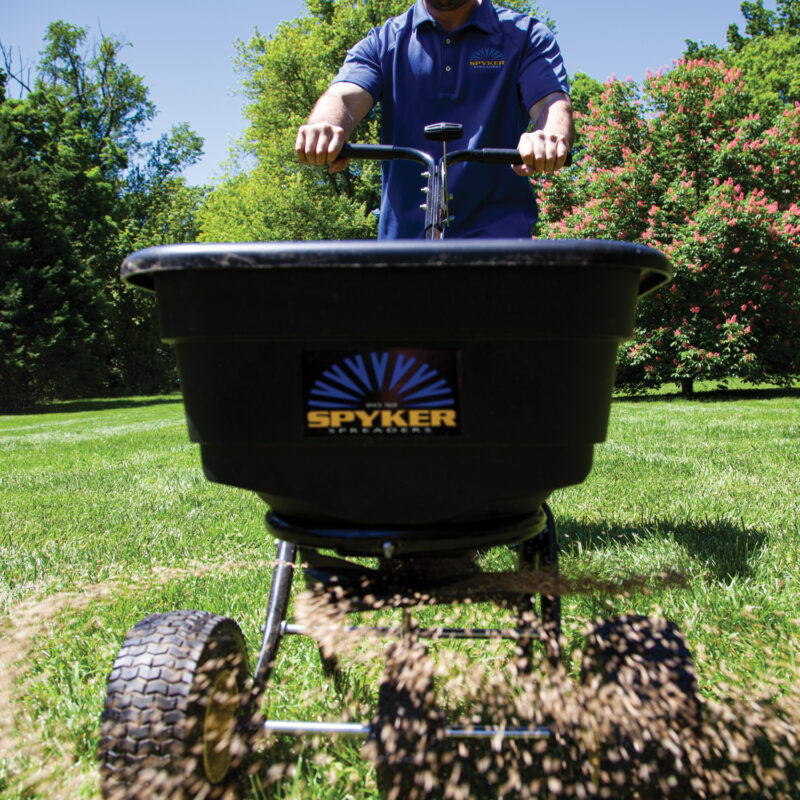
Are you preparing your clients’ landscaping and gardens for spring? Sustainable landscaping practices go above and beyond a nice-looking yard. They work with nature to sustain a healthy ecosystem and allow plants to grow naturally. In this blog, you will learn more about how to achieve a sustainable landscape and why it benefits your clients and the environment.
Choose Native & Drought-Tolerant Plants
Choosing the right plants for your clients’ landscaping and garden beds will ensure a healthy ecosystem and prevent the need to replace them year after year.
Native plants adapt to your climate better and are typically more drought or precipitation-tolerant than non-native plants. Due to their adaptability to your climate, they need less “maintenance” like watering, fertilizers, and pesticides.
You can find native plants for your zip code here.
Water Smarter, Not More
While native plants don’t need as intensive an irrigation system as tropical plants may need, it is still important to maintain proper irrigation for your lawn.
What are the best practices for watering native plants?
- Water early in the morning or late in the afternoon. Try to avoid watering your lawn and landscaping when the sun is at its peak
- Use a soaker hose or drip irrigation system to distribute water slowly over a set period
- Avoid overwatering garden beds or landscaping. Base your watering schedule on the types of plants and their watering needs
Improve Soil Health Naturally
The healthier soil in a lawn, the healthier the plants you will grow. Consider using compost instead of synthetic fertilizers to avoid chemical use on garden beds and lawns.
Organic materials add beneficial nutrients and retain moisture better reducing the need for irrigation. Mulching a garden bed can also prevent water from evaporating and allow it to be absorbed by plants over time.
Incorporate Eco-Friendly Hardscaping
When adding hardscaping or upgrading your client’s lawn or garden spaces, consider sustainability and environmental impacts. For hardscaping or edging, consider using materials such as pavers or gravel.
These materials last longer and reduce the build-up of water a plastic liner may withhold. Improving drainage can also aid in creating a sustainable landscape. Drainage can be improved by installing different types of drainage systems, aerating the lawn, adding a slope to a lawn, and more.
Support Local Wildlife & Pollinators
Creating a sustainable environment doesn’t stop at the flora in an outdoor space. Pollinators play a critical role in sustaining native plants. Pollinators consist of butterflies, moths, birds, bats, and more.
Adding pollinator-friendly features to a lawn also increases pollinator activity and creates a balanced ecosystem. Consider adding birdhouses, bee habitats, water sources, and more.
Sustainable landscaping is a practical and long-term approach to creating the perfect outdoor space for your clients. By choosing native plants and being considerate of native ecosystems, you can build landscapes that thrive with less input and fewer resources.
These practices not only reduce maintenance but also reduce your environmental impact. As you plan for the spring season, embracing sustainability will help ensure healthier lawns and stronger ecosystems for your clients.
Sources:
UDEL.edu, Sustainable Landscapes
Gardenforwildlife.com
Thespruce.com, 15 DIY Yard Drainage Methods You Should Know Before Spring Weather Hits
Iastate.edu, How to Create a Pollinator Lawn
